Review · PRIVATE
Santorini: Private Agri-Educational Visit to an Organic Farm
Santorini’s dry, volcanic soil is not suited to a lush vegetable farm, but it has shaped a clever local food tradition. At Santorganics, you’ll walk among black currant vines, capers, thyme, prickly pears, and other island plants, then see how herbs are dried in a traditional cave.
I especially like the private format and the chance to meet Dimitris and Maria, who run the farm and explain their work in person. The tasting is another strong point: raisin liqueur, infused olive oil, prickly pear juice, must cookies, breadsticks, and almond rusks give you a real taste of Santorini beyond restaurant menus.
The main drawback is practical: this is a small, hands-on farm visit, not a grand agricultural attraction, and there are no toilet facilities. You’ll also walk on cobblestones and uneven ground, so it is not a good fit if you have limited mobility or a low level of fitness.
Key points at a glance
- Private meeting with Dimitris and Maria: The owners share how their organic farm works and give the visit a personal feel.
- Santorini’s first organic black currant vineyard: Learn why the island’s currants and raisins thrive in such a dry climate.
- Traditional herb-drying cave: See the place used for drying herbs naturally and hear about the stages from harvest to finished product.
- A tasting built around island produce: Try raisin liqueur, herb-infused olive oil, prickly pear juice, cereals, must cookies, and almond rusks.
- Two hours for $56 per person: A fair price for a private guided visit, especially if you value direct contact with local producers.
- Moderate walking on cobblestones: Wear closed-toe shoes, bring a hat, and expect no hotel pickup or toilet facilities.
Why this farm visit adds something different to Santorini
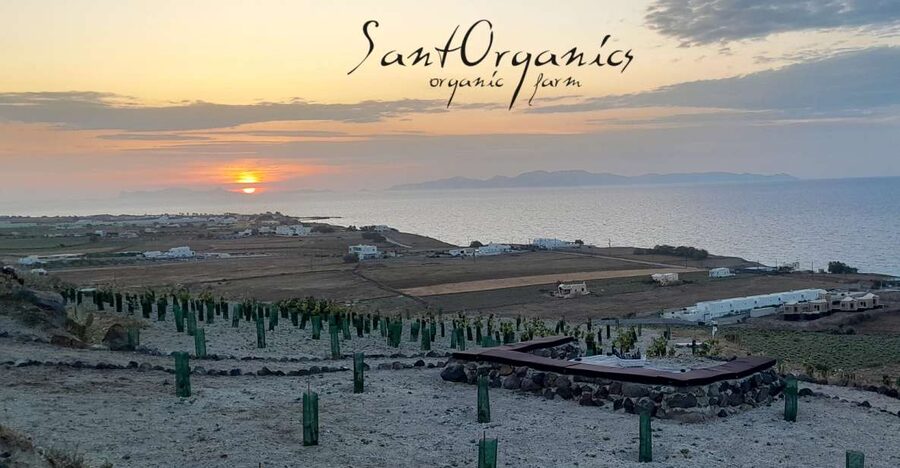
Santorini can feel dominated by famous viewpoints, white buildings, sunset crowds, and expensive restaurants. This visit takes you into a quieter part of island life, where the focus is on what can actually grow in Santorini’s harsh conditions.
You won’t find rows of soft green vegetables fed by abundant water. The island is dry, windy, and shaped by volcanic soil. That makes the farm’s crops especially interesting. Black currants, capers, thyme, prickly pears, and other herbs can handle conditions that would defeat more delicate plants.
I like this because it gives you context for the food you eat elsewhere on the island. Santorini’s ingredients are not just decorative additions to a plate. They reflect careful growing methods, limited water, strong sunlight, and long-standing ways of preserving food.
The visit also offers a useful change of pace. If you have already spent several hours moving through busy villages, a private walk through an organic estate gives you room to slow down and pay attention. The focus is not on ticking off a famous sight. It is on how a small producer turns local plants into food, drinks, oils, and specialty products.
More Farm Visits in Oia:
- Santorini 5 Hour Private Oia Tour & Lunch/Dinner at a Local Farm
★ 5.0 · 40 reviews - Santorini Family Farm Food & Wine Tour with Cooking Class
★ 5.0 · 107 reviews - Santorini Farm-to-Table Cooking Class with a Local Chef, Christos
★ 4.5 · 16 reviews
Meeting the owners at Santorganics
The private format is one of the best reasons to consider this tour. Your guide is connected directly with Santorganics, and Dimitris and Maria are part of the story of the farm. Their enthusiasm for the work comes through in the way they explain the plants and production methods.
That personal contact matters here. A large group would make it harder to stop beside a plant, ask why it grows well on Santorini, or discuss how a product is made. With a private group, you can set the pace more easily and ask questions that suit your interests.
The meeting point is identified by a plus code, 8G87FCC7+W5H. From there, you walk a few meters along picturesque cobblestone streets to reach the farm at 8G87FCC7+X77. Because the information is given through plus codes rather than a conventional hotel transfer, you should pay close attention to the meeting instructions and arrange your own way to the starting point.
There is no hotel pickup or drop-off. That is not a major issue if you are already nearby and comfortable finding the meeting point, but it is worth planning around if you are staying elsewhere on Santorini. Contact with the farm by email is part of the arrangement, and you should use that communication to confirm the appointment.
Walking through the black currant vineyard
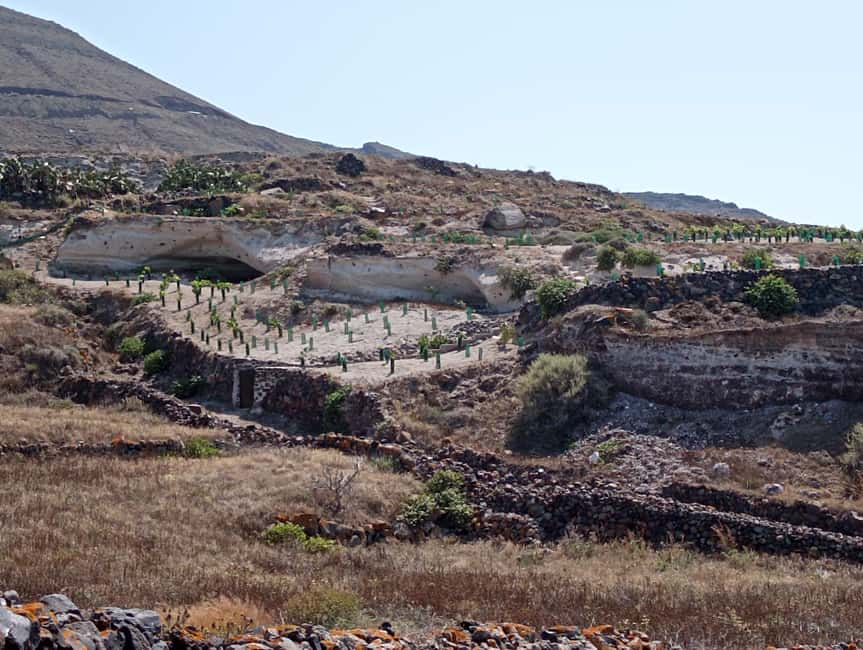
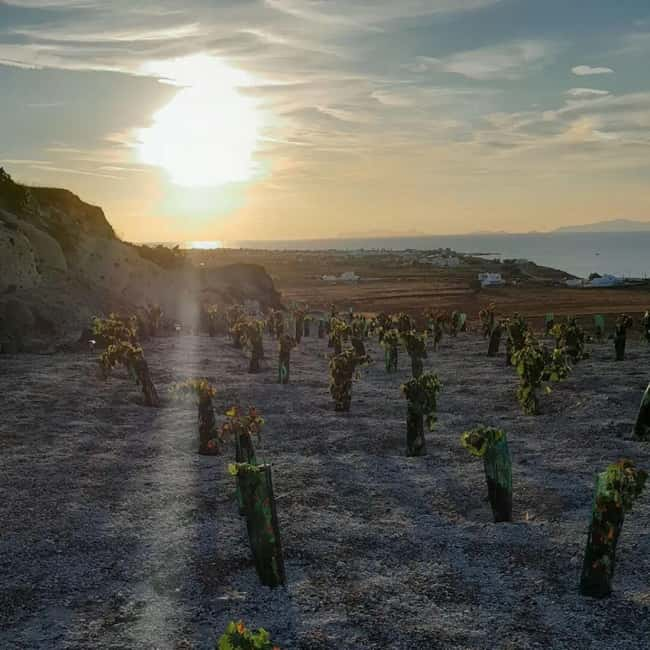
The farm walk begins among Santorini’s black currant vines. This is described as the first organic black currant vineyard on the island, making it one of the more unusual parts of the visit.
The plant is closely tied to Santorini’s dry farming traditions. The tour explains how the currants are harvested and used, including their role in raisin-based products. The island’s climate may be difficult for crops, but it helps create concentrated flavors in fruit and herbs.
You’ll walk through the vineyard rather than simply viewing it from a distance. That makes the visit more useful for anyone interested in farming, food production, or Greek ingredients. Depending on the season, you may be able to pick some herbs or plants and taste them as you go.
The seasonal qualification matters. You should not expect every crop to be ready at every time of year. The walk is still worthwhile outside harvest periods, but the chance to pick and taste something directly from the plant depends on timing.
The vineyard section also gives you a sense of the scale of the operation. This is not a huge commercial estate with machinery and visitor facilities. It is a working organic farm where the plants, drying rooms, and tasting products are closely linked.
Herbs, capers, and prickly pears in a dry climate
After the vineyard, the walk continues among local herbs, including caper and thyme. These plants are closely associated with Greek cooking, but seeing them growing in Santorini helps explain their character.
You can learn how the herbs are collected and prepared, rather than treating them as anonymous ingredients in a shop. If conditions allow, you may pick and taste some. That small moment can be more memorable than a long explanation because you get the smell and flavor directly from the plant.
Prickly pear is another important part of the farm’s work. The fruit is used for organic, no-sugar prickly pear juice, while the farm also introduces its organic prickly pear seed oil. The oil is a distinctive product, and the visit explains how it fits into the farm’s range.
This section is a good reminder that island food traditions often come from adaptation. Farmers work with what the climate allows. The result is not a standard garden, but a collection of hardy plants with strong culinary and commercial uses.
The path is not described as difficult hiking, but you should expect a moderate amount of walking. Cobblestones and uneven surfaces require steady footing. Closed-toe shoes are important, and a sun hat is sensible because the farm visit takes place outdoors.
A few more Oia trips worth weighing up
- Santorini: Customized Private Photoshoot Walk in Oia
★ 5.0 · 335 reviews - Private Oia Panoramic Scenes: Embrace the most picturesque village of Santorini!
★ 5.0 · 100 reviews - Santorini: Oia Private Couple Photoshoot with 35 Photos
★ 5.0 · 80 reviews - Santorini Private 5-Hour Tour with Local Guide & Sunset in Oia
★ 5.0 · 62 reviews
Inside the cave used for natural herb drying
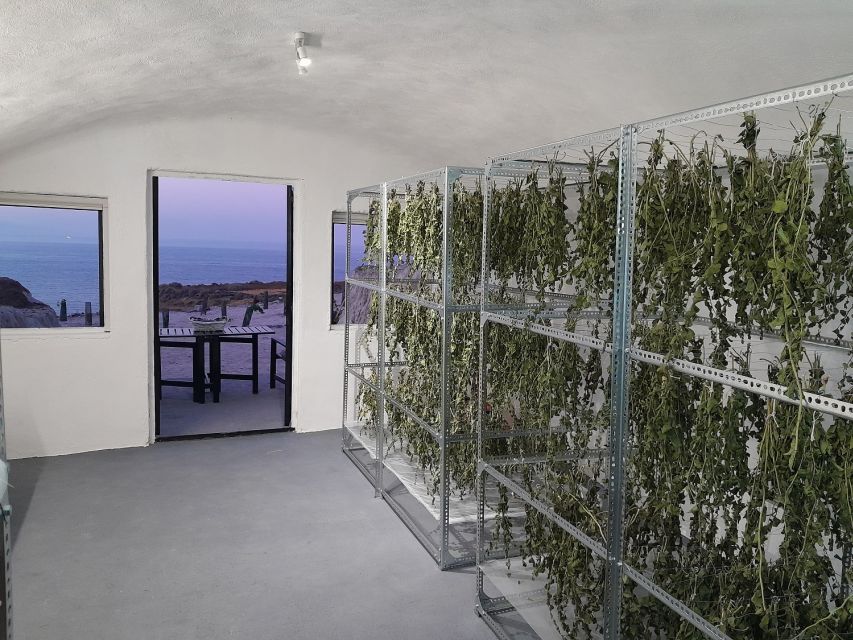
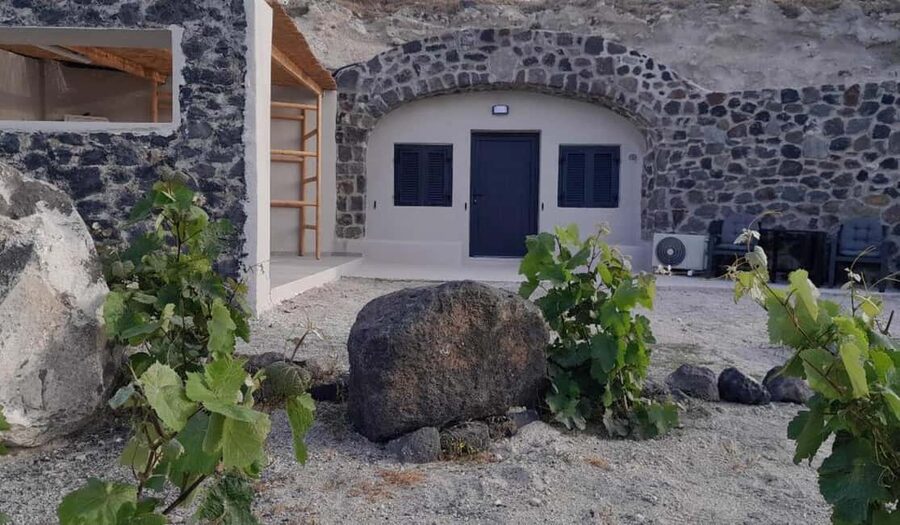
One of the most memorable parts of the visit is stepping into a cave traditionally used for drying herbs. This gives the tour a physical connection to older methods of preserving food.
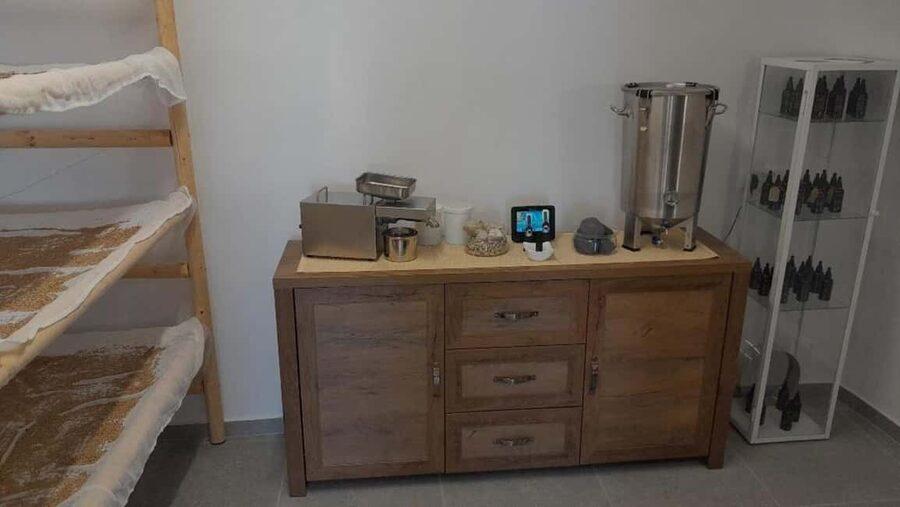
The cave is used as a natural drying area, and you’ll learn about the stages between harvesting and production. That process is easy to overlook when you buy dried herbs in a packet, but here you can see how the farm treats the raw plants before they become finished products.
The cave also adds variety to the walk. You move from open vineyard and herb beds into a more enclosed space with a clear practical purpose. It is not included as a dramatic attraction for its own sake. Its importance comes from the way it supports the farm’s production methods.
You may want to ask about which herbs are dried there, how long the process takes, and how the farm decides when they are ready. The tour is educational, but the private setup gives you room to make it conversational rather than simply listening to a fixed speech.
This is also a good point to keep expectations realistic. Santorganics is an organic farm, not a museum with extensive displays or a large indoor visitor center. The cave is valuable because it is part of the working process.
The tasting: raisin liqueur, olive oil, and local snacks
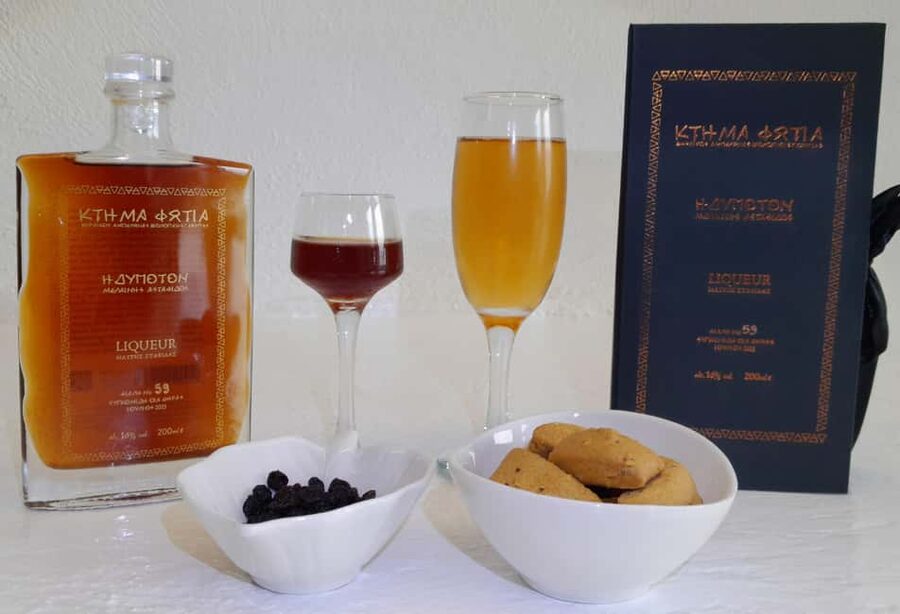
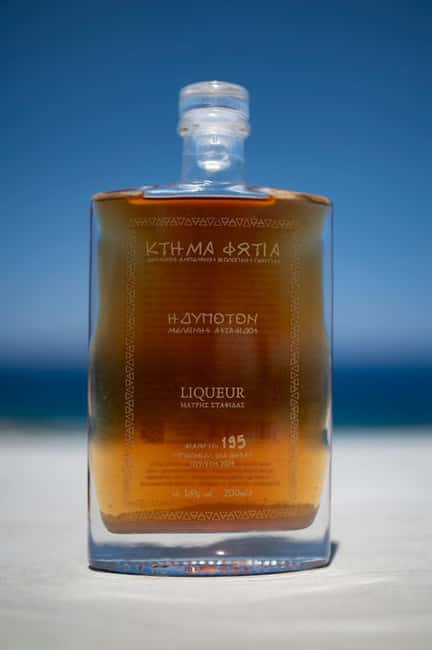
The final tasting is the reward for the walk. You’ll sample liqueur raisin, a raisin-based drink with a distinctive connection to Santorini’s currant and grape-growing traditions.
You’ll also taste extra virgin olive oil infused with herbs. This lets you compare the flavor of the oil with the plants you have just seen growing on the farm. The tasting is not limited to two items. It also includes organic must cookies, organic cereal breadsticks, no-sugar prickly pear juice, and almond rusks.
I like the range because it gives you several ways to understand the produce. The drinks show how local ingredients become something to sip. The oil shows how herbs can shape a familiar kitchen staple. The cookies, breadsticks, and rusks add texture and make the tasting feel more like a small regional snack table than a single product sample.
The prickly pear juice is especially useful for people who prefer not to drink alcohol. The farm does not present the tasting as a drinking session, and smoking, alcohol, and drugs are not allowed during the activity. The raisin liqueur is one tasting item, not the central purpose of the visit.
If you find a product you like, you can ask Dimitris and Maria about how it is made and used. The activity information does not promise a shopping stop or a specific retail arrangement, so do not book it solely expecting a formal store visit. The value is in seeing the production and tasting the results.
Is $56 per person good value?
At $56 per person, this is not the cheapest short activity on Santorini. You are paying for two hours, a private group, a live guide in Greek or English, a guided farm walk, access to the production areas, and a tasting of several organic products.
That makes the price easier to justify for couples, families, or small groups who want a private introduction to Santorini’s food culture. A shared tour might cost less, but it would not necessarily offer the same direct contact with the owners or the same freedom to ask questions.
The value depends on what you want from your time. If your priority is a sweeping caldera view, a winery circuit, or a large collection of attractions, this is not the right use of two hours. If you want to understand how local crops survive and how a small farm turns them into finished products, the price is more reasonable.
The tasting also adds value. You are not only walking around the property. You are trying raisin liqueur, herb-infused olive oil, prickly pear juice, baked goods, breadsticks, and almond rusks. The price includes the guide and these tastings, with no extra fee stated for them.
The tour offers free cancellation up to 24 hours before the appointment and allows you to reserve now and pay later. Those policies help if your Santorini schedule is still changing, but you should still confirm the meeting time and location by email.
Who should book this two-hour visit?
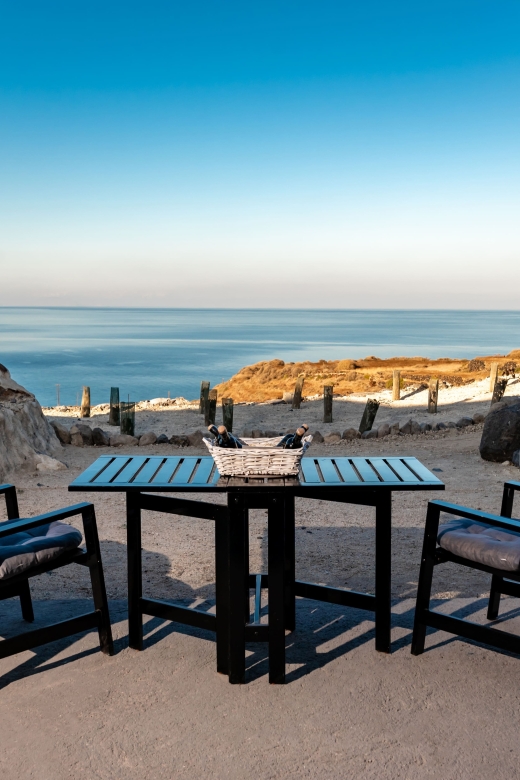
I would recommend this for you if you enjoy food production, small farms, local ingredients, and personal contact with the people behind a business. It is also a smart choice if you want a break from Santorini’s most crowded and commercial areas.
The experience suits adults and older children who can manage moderate walking. It may be especially appealing to people interested in organic farming, Greek herbs, olive oil, traditional preservation, or unusual island products.
You should think twice if you have mobility impairments, heart problems, epilepsy, a visual impairment, or a low level of fitness. The activity is not suitable for wheelchair users, and the operator also lists people over 95 years as unsuitable. Those restrictions relate to the walking and farm setting, not to the tasting itself.
There are no toilet facilities. That is an easy detail to miss and one of the most practical reasons to plan ahead. You should also wear comfortable clothing, use closed-toe shoes, and bring sun protection.
A hiking baton is available if needed. The tour is not presented as strenuous, but the baton may help if you want extra stability on cobblestones or uneven ground.
Best timing and practical planning
The visit lasts two hours, with starting times based on availability. The schedule may include scenic views along the way, a photo stop, free time, and walking through the estate. Sunrise and sunset are also listed among possible timing details, but you should confirm the exact start time before booking rather than assuming a sunset departure.
Because the farm is outdoors, the time of day can affect your comfort. A hat is recommended, and comfortable clothes will make the walk easier. You should also leave enough time to reach the plus-code meeting point without rushing.
The walking route begins at the starting location, continues to the farm, and returns to the original meeting point. There is no hotel transportation, so this is best for people who are comfortable making their own way to and from the site.
The guide speaks Greek and English. If you have a strong interest in farming methods or products, a private tour gives you a good chance to ask specific questions. Email communication with Santorganics is included before the visit, so use it to clarify the appointment and any meeting details.
Should you book Santorganics?
Book this farm visit if you want a close look at the practical side of Santorini, especially its dry-climate crops and small-scale food production. The meeting with Dimitris and Maria, the black currant vineyard, the natural herb-drying cave, and the broad tasting make this more personal than a simple farm photo stop.
Skip it if you need accessible paths, toilet facilities, hotel transportation, or a major sightseeing attraction. This is a modest working farm with a moderate walk, not a polished visitor complex.
For the right person, $56 is a fair price for a private two-hour visit that brings together local farming, owner-led storytelling, and a generous tasting. It gives you a different view of Santorini, one based less on famous scenery and more on the plants and people that make island life possible.
FAQ
How long does the Santorganics farm visit last?
The visit lasts two hours, including the guided walk, farm and cave visit, and product tasting.
What languages does the guide speak?
The live guide speaks Greek and English.
Is this a private tour?
Yes. The activity is arranged for a private group.
What products will I taste?
The tasting includes raisin liqueur, herb-infused extra virgin olive oil, organic must cookies, organic cereal breadsticks, no-sugar prickly pear juice, and almond rusks.
Will I visit a cave?
Yes. You’ll enter a cave traditionally used as a natural area for drying herbs and learn about harvesting and production.
Is hotel pickup included?
No. Hotel pickup and drop-off are not included. You must make your own way to the starting location.
Are toilet facilities available?
No. WC and toilet facilities are not provided at the farm.
What should I bring?
Bring a sun hat, comfortable clothing, and closed-toe shoes. A hiking baton is available if needed.
Just added around Oia
- Winery – Oia Sunset Tour★ 4.5 · 4 reviews
- Santorini Oia: Caldera Classic Day Cruise with Snacks & Drinks★ 5.0 · 23 reviews
- Santorini Traditional Villages and Oia Sunset Tour★ 3.5 · 7 reviews
- Santorini Oia: Private Sunset Catamaran Cruise with BBQ & Drinks★ 5.0 · 39 reviews
- Private Santorini 4-Hours Tour : Oia, Megalochori & wine tasting★ 5.0 · 16 reviews
- Top Sights of Santorini with Wine Tasting and Sunset in Oia★ 4.0 · 20 reviews
- Santorini Private Scenic Shore Excursion: Oia, Mt Profitis and Ilias Monastery★ 4.0 · 14 reviews
- Professional Photoshoot at Oia Village Santorini★ 4.0 · 39 reviews
Private, compared.

Private Santorini Tailor Made – Choice of the Guest!
Read our review →
Private Classic Santorini Panorama: Visit the most popular destinations!
Read our review →

Private Santorini Sightseeing Tour – Customizable,Cruise Friendly
Read our review →
Santorini Private Driver: Explore Santorini – Port & Hotel Pickup
Read our review →